A couple people have asked about oxycodone given a few mixups over the last couple of weeks. I’ll share.

Firstly, Oxycodone is a Schedule II drug, the same category as opium and morphine. The difference between Schedule I and Schedule II drugs is just that the latter have known medical uses and the former do not. (source)
The name Oxycodone consists of three references to its chemical design (it is designed rather than harvested, unlike codeine). The cod is from “codeine” which is almost chemically identical and able to be harvested directly from poppy. The only difference is that oxycodone has a hydroxyl group instead of just a hydrogen at carbon-14. This is where the “oxy~” comes from. The the “~one” is from ketone which is another organic compound which codeine lacks.
Oxycodone was originally made by the Germans back when their pharmaceuticals were nearly supernatural back in the early 20th century. I’m always surprised that more people don’t know that this is where modern chemical medicine really came from.
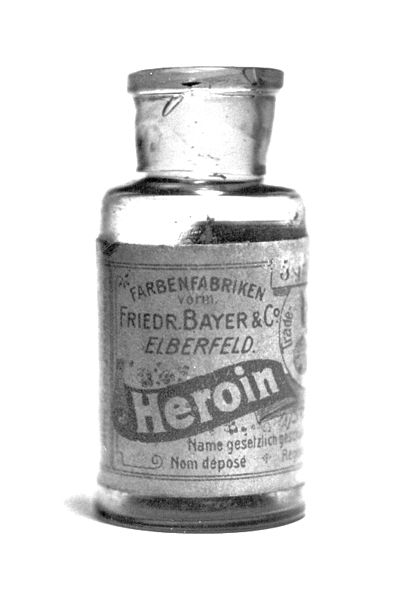 The German chemical engineers were godly. We see the residues of that era today. Bayer, for instance, invented heroin. The name “Heroin” was a brand, trademarked by the company. It was intended to be a safer substitute for morphine and sold mostly as a cough syrup. The trademark was trashed during WWI (the US confiscated all of Bayer’s US assets), along with the trademark of their other important invention that was derived from the bark of the willow tree. At the end of the war, the US and other allied countries began to use the name of this other branded drug generically.
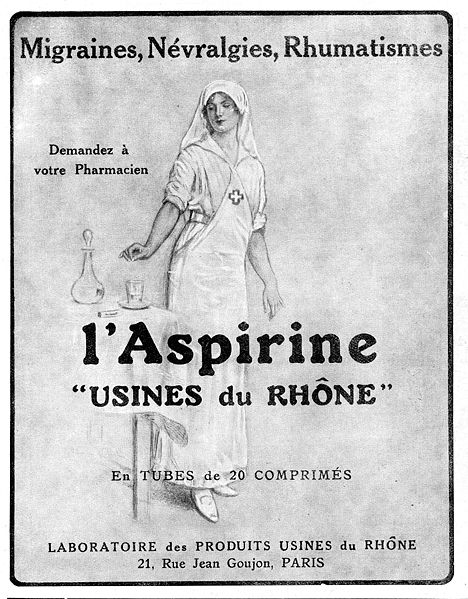
But at one point Aspirin was trademarked to Bayer, and that trademark is actually still recognized by many countries, including Canada, but only if the word is spelled with a capital “A”.
The name “aspirin” comes from the German word for salicylic acid, acetyl spirsäure, which was derived from the botanical name for meadowsweet, Spiraea ulmaria.
Anyway, oxycodone was also first created by the Germans out of the University of Frankfurt a couple years after Bayer discontinued selling Heroin because of the side effects we know so well today, particularly overuse and fast addiction. Oxycodone was basically created with the intention of being a safer alternative to medicinally intended heroin, and in many ways it is. It acts more slowly and is less addictive when taken as prescribed.
It is one of the most abused prescribed drugs in the world because of how similar its effects are to heroin. With the right dosage, a heroin-like high is possible, and even more possible if rendered to be pure and free of additives, such as the acetominaphen they add to oxycodone in the branded drug Percocet. The high comes from the same effect– it’s a central nervous system depressant that stimulates opioid receptors in the brain and body and produces analgesia and euphoria when the dose is adequate. Part of the reason it’s so addictive is because the opioid receptors get used to it right away, and after a just a couple doses the effect lessons considerably unless the dosage is increased. If you’ve ever wondered why/how people accidentally overdose on recreational drugs, it’s frequently for this reason. As the body gets used to certain narcotics the amount required to feel anything increases. This can get to the point where even taking very heavy doses has minimal effects, so the doses for getting high can get extreme, eventually crossing the line of what the body can handle without shutting down completely. Shutting down here means unconsciousness at best, and sometimes death.
So here’s my experience so far. A 10mg dose of oxycodone relieves the pain associated with lumbar nerve impingement in about 10 minutes. I’ve never used non-drip painkillers before and after the week of Vicodin failed completely, using oxycodone has been a great relief when needed. Feeling pain actually disappear in realtime has been pretty mystical. I’ve started concentrating on it.
A dose situation will begin with entering into a feeling of maddening helplessness. My pain, from nerve impingement, is categorized as Peripheral Neuropathic Pain. The effects of this are still being studied, but I can say with assurance that it’s detrimental. For me, the discomfort is one thing but the effects on thinking and mental performance is wherein lies the true agony. Studies show that certain kinds of ongoing pain have very clear negative impacts on how well the brain works:
Most chronic pain patients complain of cognitive impairment, such as forgetfulness, difficulty with attention, and difficulty completing tasks. Objective testing has found that people in chronic pain tend to experience impairment in attention, memory, mental flexibility, verbal ability, speed of response in a cognitive task, and speed in executing structured tasks. (source)
Occasionally the injured area will throb and my body will react automatically by continually adjusting to find a position of relief. Sometimes that position will just not exist: no matter how much I turn and arch and squirm and stretch and recline and bend, the pain will continue, sometimes worsening. It’s exhausting, distracting and frustrating.
Being able to “turn it off” for a break has been really nice– contending with extreme pain for extended periods of time (hours and days) really taxes the entire body with stress hormones and adrenal overstimulation and causes all kinds of other harmful effects. So when it gets tiring enough, I’ll dose. I stay standing up, and I wait. A few minutes will pass and I’ll continue to wait, trying to sense any changes, trying to stay aware. If I stay focused long enough I can actually feel the start, saying to myself: “There it goes…” And the pain completely disappears.
The side effect for me is that my brain slows down. My thoughts stay pretty quick, but externalizing them is slowed and I get extremely attention deficit. Writing while dosing takes serious work and therefore being on painkillers at work is just pointless. I wrote and rewrote one email for almost an hour last week, concluding it just wasn’t worth it to try.

OK, so if you take 20-40mg of oxycodone (about 3-4x a regular dose) and drink 5-6 beers and a couple shots, you will be high off your ass for about 8 hours. This is not recommended because it wrecks your liver and is extremely harmful to other parts of your body.
You will probably be extremely friendly and social for hours and feel intensely good, as if was the way things should be. Unfortunately, you will probably almost get arrested after deciding to lie down in the middle of a dangerous park at 3am next to your friend who’s equally wasted. You will probably be taken to the police station and held for a while for goofing off while the officer requested seriousness. You might get charged with failure to comply or resisting arrest depending on how you handle the confrontation. You might be able to get a clear head while in the holding pen and talk your way out of the mess. You might wake up at home at 5p the next day and wonder if it was all a dream until you see handcuff bruises on your wrists.
You might then decide it wasn’t worth it, especially as your injury seems to have worsened considerably, rendering you in agony for two straight days before starting to return to a healing state.
Is what I heard.